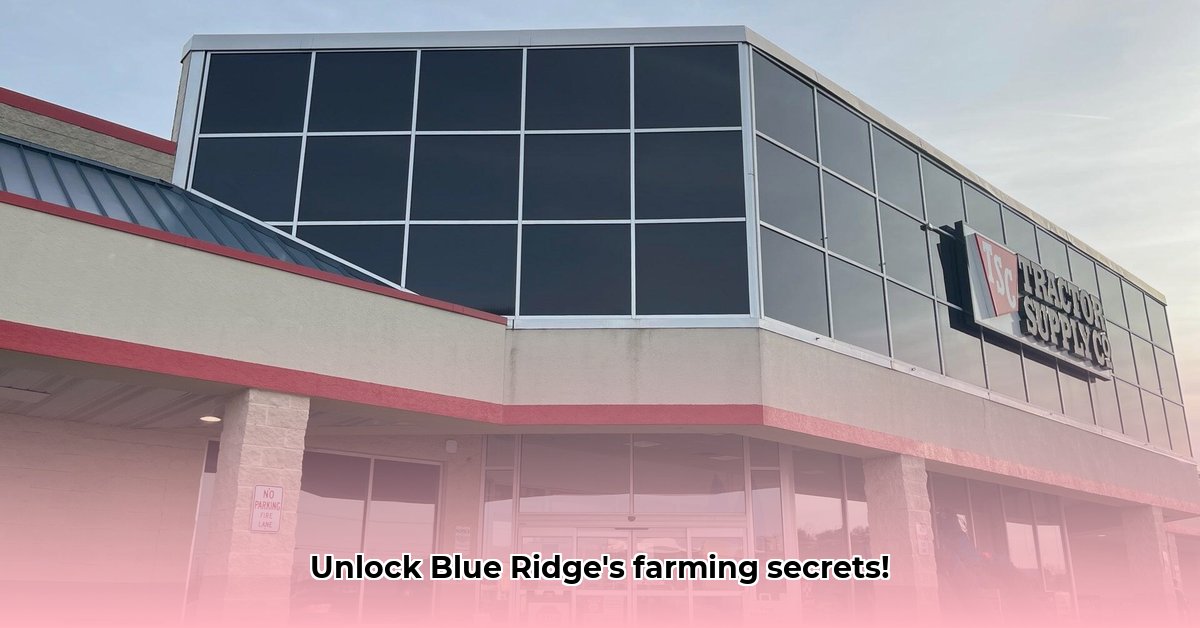
Tractor Supply Blue Ridge: Your One-Stop Rural Resource
Need chicken feed, gardening gloves, or a squeaky toy for your dog? Tractor Supply in Blue Ridge, Georgia, is your local hub for all things rural. More than just a store, it’s a vital community asset serving everyone from experienced farmers to weekend gardeners. This guide explores its unique role in the Blue Ridge landscape. For more details on rose bushes, check out this helpful resource.
Tractor Supply Blue Ridge: Beyond the Tractors
This isn't your grandfather's tractor dealership. Tractor Supply in Blue Ridge offers a wide range of products, acting as a comprehensive resource for rural living projects. Their offerings extend far beyond tractors:
- Livestock Supplies: Feed, fencing, and equipment for a variety of animals.
- Gardening Essentials: Seeds, seedlings, tools, fertilizers, and pest control.
- Lawn & Garden Power Equipment: Gas and electric mowers, weed eaters, and other landscaping tools.
- Pet Supplies: Food, toys, and other necessities for your beloved pets.
Essentially, if you need something for your farm, garden, or pets in the Blue Ridge area, Tractor Supply is likely your first stop. But what about sustainability? Is Tractor Supply stepping up to meet the demands of environmentally conscious consumers?
Sustainable Farming and the Future of Tractor Supply Blue Ridge
Tractor Supply's potential to promote sustainable agriculture is a key aspect of its future success. While specific sourcing details remain undisclosed, the opportunity exists to become a leader in offering locally sourced, organic products and environmentally friendly options. This would significantly benefit the environment and resonate with many Blue Ridge consumers. This commitment could solidify their position as a community partner. But how is this currently playing out?
The Blue Ridge Community Connection: More Than Just Transactions
Tractor Supply fosters relationships, not just transactions. Staff often know their customers and their unique needs, mirroring a friendly local hardware store, but on a much larger scale. This personalized approach is essential to their success and highlights the importance of community ties in Blue Ridge. They’re actively involved in the lives of their customer base.
Adapting to the Changing Needs of Blue Ridge: Planning for the Future
Tractor Supply’s continued success hinges on its adaptability. This requires more than keeping up with the latest gadgets. Understanding and responding to growing interests in sustainable practices and locally sourced goods is crucial for long-term viability. Remaining flexible and responsive in this dynamic environment is paramount.
Actionable Steps for Continued Growth: A Roadmap for Success
To strengthen its community standing and market position, Tractor Supply could consider these steps:
Enhance Transparency: Open communication about sourcing practices and supply chains would boost customer trust. Clearly communicating environmental commitments is vital.
Cultivate Local Partnerships: Collaborating with local farms and producers to offer locally-sourced goods would enhance sustainable offerings and strengthen community ties.
Expand Community Engagement: Investing in local initiatives supporting sustainable practices and rural development (e.g., sponsoring a farmer's market) would solidify its community role.
Tractor Supply's Resilience: A Rural Success Story
Tractor Supply in Blue Ridge embodies the resilience of rural America. By adapting to community needs and building relationships, it remains a vital part of the Blue Ridge landscape. It's not just about purchasing supplies; it's about building connections, making it an invaluable asset to the community.
Sourcing Sustainable Farm Supplies Near Blue Ridge, GA: A Practical Guide
Key Takeaways:
- Blue Ridge features a thriving mix of farms committed to sustainable practices.
- Local farmers markets and CSAs offer direct access to sustainably produced goods.
- Tractor Supply plays a significant role in supplying local farms.
- Understanding local challenges and opportunities is key to sustainable sourcing.
- Collaboration between farmers, consumers, and local government is crucial.
Navigating the Local Landscape: Challenges and Opportunities
Blue Ridge's mountainous terrain presents both challenges and opportunities. The region's unique geography influences crop suitability and market accessibility. Sourcing sustainable supplies requires understanding this context. Many farms prioritize organic methods and direct-to-consumer sales. This creates a strong local food system, but supply chains may differ from more industrialized areas.
Tractor Supply's Role: A Closer Look
Tractor Supply serves as a key supplier, but its role in sustainable practices needs further investigation. While offering a wide range of conventional supplies, they also stock items that support sustainable agriculture (e.g., organic seeds, sustainable pest control). However, verifying product origins and certifications is critical for consumers. What specific sustainable products does the Blue Ridge location offer? How effective is it in addressing the local farmers’ needs?
Expanding Your Search: Diverse Resources
Beyond Tractor Supply, regional cooperatives and online retailers specializing in sustainable agriculture provide additional options. Prioritizing local businesses remains key to supporting the community's agricultural heart. What are the best solutions for hard-to-find items? Networking with local farmers and regional agricultural organizations can prove invaluable.
Building a Sustainable Future: A Call to Action
Blue Ridge's potential for sustainable agriculture is immense. The success of local farmers relies on various factors, from consumer demand to climate resilience. Actively supporting local farms through direct purchases and advocating for supportive policies is crucial. This ensures a robust local food system and the long-term viability of this unique agricultural landscape. How can your choices impact the sustainability of this region?